cloudy days ? will my plug in solar work ?
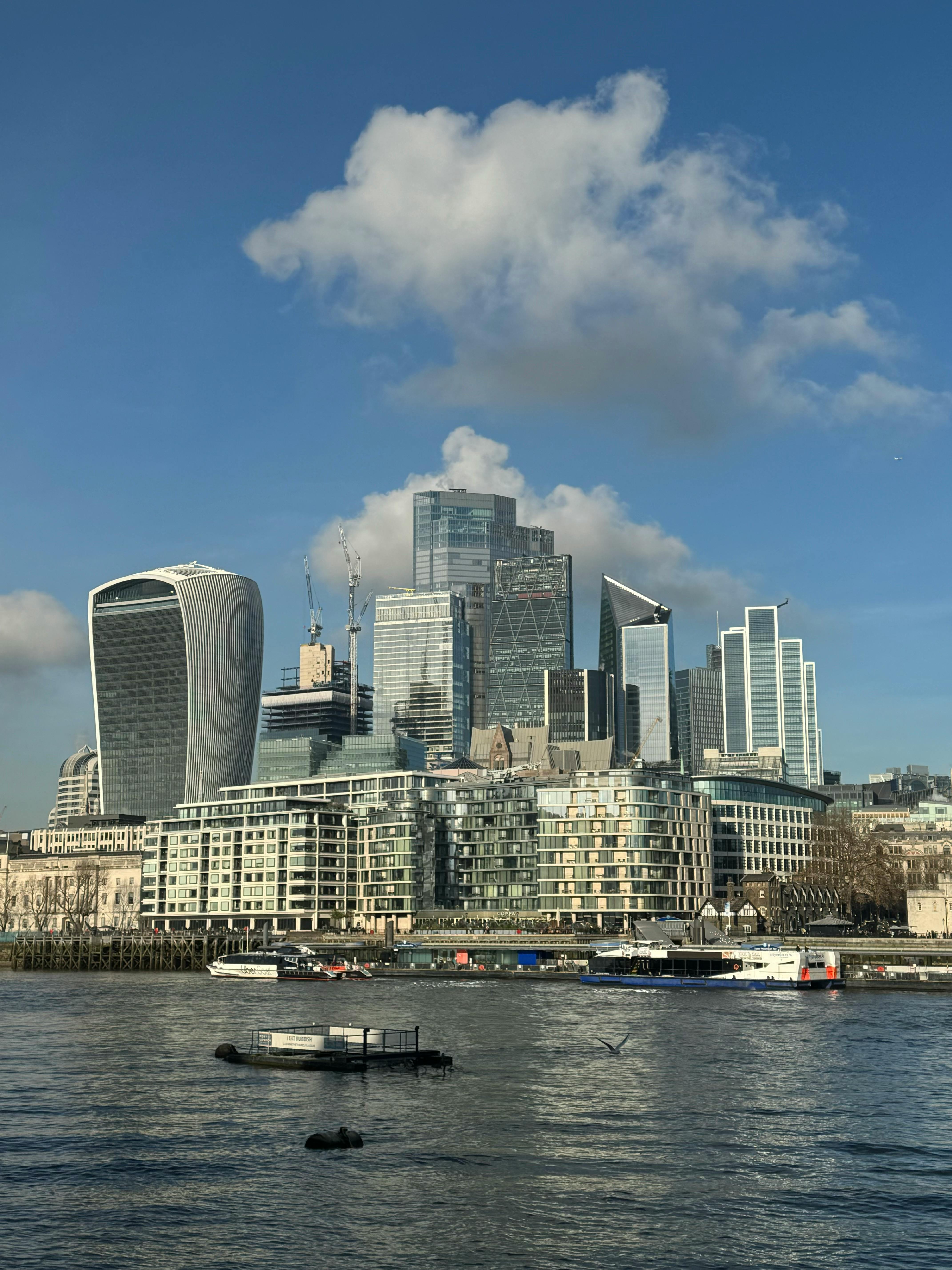
Do Plug-In Solar Panels Work in Cloudy UK Weather?
Introduction
A common belief in the UK is that solar panels don’t work well because the weather is often cloudy and grey. Cities like London are known for overcast skies, so many people assume solar energy isn’t effective here.
However, this idea is misleading. Solar panels don’t rely on bright sunshine alone they work using daylight. Even in cloudy conditions, they still generate electricity. The real question isn’t whether solar works in the UK, but how well it works and whether it’s still worth it.
How Solar Panels Actually Work
Solar panels generate electricity using light, not heat. When light hits the panel, it creates energy by moving electrons inside the material.
This means:
Panels work even when the sun isn’t visible
Cloud cover reduces output, but doesn’t stop it
Daylight is enough to produce energy
There are two types of sunlight:
Direct sunlight – strong and clear
Diffuse light – scattered by clouds
In the UK, a large portion of solar energy comes from diffuse light. Modern panels are designed to work efficiently in these conditions.
UK Weather: Reality vs Perception
The UK does have cloudy weather, but it’s not as extreme as people think.
The UK gets around 1,400–1,500 hours of sunshine per year
London gets similar sunlight levels to cities like Berlin
Cloud cover varies, it’s not always dark and heavy
Even on cloudy days:
Solar panels still generate power
Output is lower, but consistent
Over time, this adds up significantly
How Much Energy Can Solar Generate in the UK?
For a typical 800W plug-in solar system, here’s what you can expect annually:
London: ~760 kWh
Edinburgh: ~700 kWh
Cardiff: ~800 kWh
This means even in less sunny parts of the UK, solar still produces meaningful energy.
Most energy is generated in spring and summer:
Around 75–80% of yearly output comes between April and September
Winter produces less, but not zero
What Happens on Cloudy or Rainy Days?
Clouds reduce how much light reaches the panels, but they don’t block it completely.
Typical performance:
Light cloud: 50–70% output
Moderate cloud: 20–40% output
Heavy cloud: 10–20% output
Rain: still produces small amounts
Even on very grey days, panels continue to generate electricity.
Interestingly:
Rain can actually help clean panels
Cleaner panels = better long-term performance
Why Modern Solar Panels Still Work Well
Solar technology has improved significantly.
Modern panels:
Perform better in low-light conditions
Capture scattered (diffuse) light more efficiently
Adjust output automatically using smart inverters
This means they are well suited for countries like the UK, not just sunny climates.
What Matters More Than Weather
Surprisingly, weather isn’t the biggest factor affecting performance.
These matter more:
1. Direction (Orientation)
South-facing = best
East or west = still good (75–85% of optimal output)
2. Tilt Angle
Ideal angle: 30–40 degrees
Slight differences don’t drastically reduce output
3. Shading (Most Important)
Shadows from buildings, trees, or railings can reduce output by 30–50%
Avoiding shade is critical
A well-placed panel in a cloudy city can outperform a poorly placed one in a sunnier area.
Is Plug-In Solar Still Worth It in the UK?
Yes—and the numbers support it.
Example for London:
Annual generation: ~760 kWh
Annual savings: £140–£190
System cost: £400–£500
Payback:
Around 2–4 years
After that:
Electricity is effectively free
Systems can last 15–20 years
Even with cloudy weather, the financial return remains strong.
Common Misconceptions
“Solar doesn’t work without sunshine”
False. It works with daylight, not just direct sun.
“The UK is too cloudy for solar”
Not true. The UK has similar solar potential to Germany, where solar is widely used.
“Solar doesn’t work in winter”
It produces less, but still generates energy daily.
“Rain stops solar panels”
No, panels still work, and rain can improve efficiency by cleaning them.
Conclusion
The idea that solar panels don’t work in the UK is based on misunderstanding.
Yes, cloudy weather reduces output but not enough to make solar ineffective. Modern panels are designed to work in these exact conditions.
In reality:
The UK has enough daylight for solar to perform well
Plug-in systems still generate strong yearly output
Financial returns remain attractive
The biggest factors aren’t the weather, they’re how and where you install your system.
Plug-in solar in the UK isn’t just viable. it’s one of the most accessible ways for households to reduce energy costs and move toward energy independence.