Why UK Renters and Homeowners Should Install Plug-In Solar Panels — and Why the Time to Act Is Now
Energy bills have become one of the most corrosive forces in British household finances. For a country where the median full-time salary sits at £767 per week — roughly £40,000 per year gross House of Commons Library, the cost of simply keeping the lights on has reached a point that demands a serious response. Plug-in solar panels offer that response, and the regulatory change that unlocks them for UK households is now just months away.
What UK energy bills actually cost in 2026
The Ofgem energy price cap for a typical dual-fuel household between April and June 2026 is set at £1,641 per year for those paying by direct debit. Ofgem Electricity alone is priced at an average of 27.69 pence per kilowatt-hour, with a daily standing charge of 54.75 pence Ofgem — a charge that applies regardless of how much power you actually use, adding nearly £200 per year to your bill before a single appliance is switched on. For a household using a typical 3,000 kWh annually, the total electricity bill lands close to £960 per year once standing charges are included. EcoFlow
For a median earner, that represents around 3.3% of gross annual salary spent on electricity alone — before rent, food, transport, or anything else. For lower earners and part-time workers, the proportion is considerably higher.
How much can plug-in solar panels save UK households?
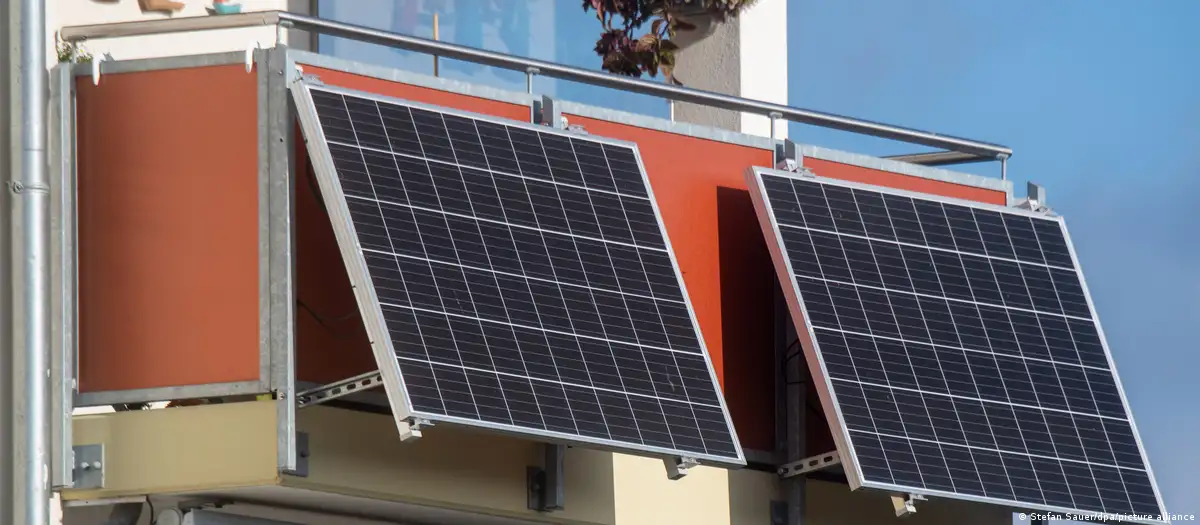
A balcony or plug-in solar system typically consists of one or two photovoltaic panels paired with a microinverter that feeds generated power directly into the home. An 800W system is estimated to save between £180 and £210 per year in the UK, with locations such as Cardiff generating 807 kWh annually and even Edinburgh producing 704 kWh per year — demonstrating that solar works across the full length of Britain, not just in the south. Balconysolar
In countries where plug-in solar is already established, households typically reduce their electricity bills by around 30%, primarily by offsetting daytime base loads such as fridges, routers, and devices used by people working from home. Balconysolar Given how embedded remote working now is in British working life, that pattern of continuous daytime consumption is exactly the load profile these systems are designed to address.
Over a 20-year panel lifespan, savings of £180–210 per year compound to between £3,600 and £4,200 from a system costing as little as £300–600 to purchase — a return that no savings account currently comes close to matching.
Is plug-in solar legal in the UK right now?
This is the key question for anyone researching balcony solar in the UK. Currently, connecting a solar panel through a standard 13-amp wall socket does not comply with UK wiring regulations under BS 7671, which require any grid-connected generation to be installed by a qualified electrician on a dedicated circuit. However, the regulatory position is changing rapidly.
On 30 June 2025, the Department for Energy Security and Net Zero published its Solar Roadmap, explicitly committing to steps that would make plug-in solar available in the UK and describing it as ideal for apartments with balconies. Efixx A formal safety study was commissioned from Arceio Limited in October 2025 to assess the risks of plug-in solar on UK ring-main circuits. The wiring standard BS 7671 Amendment 4 is confirmed to publish on 15 April 2026, with the BSI product standard for plug-in solar devices expected around July 2026. DIY Solar UK
Full legalisation of true plug-and-play balcony solar in the UK is now a matter of months, not years. Professionally hard-wired systems installed by a certified electrician are already legal today and deliver the same financial savings immediately.
What the Renters' Rights Act 2025 means for tenants
For the 4.6 million households renting privately in the UK, the barrier has always been landlord permission. That barrier is now significantly lower. The Renters' Rights Act 2025 means landlords will not be able to unreasonably refuse a tenant's request to install balcony solar panels, provided the tenant is bearing the cost. Balconysolar Objections on genuine structural or safety grounds remain valid, but a simple preference not to have panels on the balcony is unlikely to be considered reasonable refusal under the new law.
Tenants should put requests in writing, include the system specifications, and note that professionally installed systems can improve the property's Energy Performance Certificate rating — at no cost to the landlord.
Why landlords should actively welcome solar installations
For property owners, permitting a tenant-funded solar installation is straightforwardly beneficial. EPC minimum standards for rented homes are tightening across England and Wales, with landlords facing increasing pressure to bring properties up to higher energy efficiency ratings. A solar installation improves EPC performance, costs the landlord nothing when tenant-funded, and makes the property more attractive in an increasingly competitive rental market.
UK electricity prices are currently higher than in every EU member state except Germany House of Commons Library — the very country that has most successfully deployed balcony solar at scale, with over a million installations now generating meaningful savings for renters who previously had no route into renewable energy at all. Britain has watched that transformation happen across the Channel. The rules that blocked us from following suit are being dismantled. For renters, landlords, and homeowners alike, the case for plug-in solar has never been stronger — or the moment more timely.